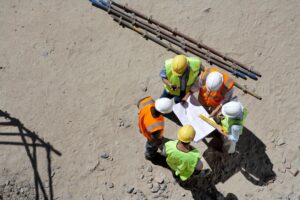
Structural Engineering Solutions: Troubleshooting & Problem Solving
Sepco Consulting Engineers provides licensed structural engineering services across Toronto and the Greater Toronto Area — including North York, Scarborough, Markham, Richmond Hill, Vaughan, Mississauga, Brampton, Etobicoke, and surrounding regions.
Turning Complex Structural Challenges Into Smart Solutions
In construction, unexpected problems happen—a beam doesn’t fit, a connection doesn’t align, or an unforeseen structural issue appears mid-project. These situations can cause costly delays, increase the risk of structural failure, and put safety at risk if not addressed properly. Sepco Consulting Engineers provides expert engineering solutions to tackle these challenges.
At Sepco Consulting Engineers, we specialize in expert troubleshooting and structural problem-solving. With more than 20 years of experience and PhD-level expertise, we develop practical, creative, and cost-effective solutions that restore safety and keep projects moving forward.
Introduction to Structural Analysis
Structural analysis is the backbone of ensuring a building’s structural integrity. This process involves a thorough assessment of a structure’s ability to withstand various loads, including its own weight, without experiencing excessive deformation or collapse. By applying principles such as fracture mechanics, structural engineers can evaluate the strength and stability of critical structural elements, identifying any weaknesses that could compromise the entire structure.
Regular structural analysis is essential for detecting early warning signs of structural damage, such as cracks in ceilings or walls, before they escalate into more serious problems. By proactively assessing a building’s integrity, engineers can recommend timely interventions that prevent costly repairs and help avoid catastrophic consequences. Whether it’s a new construction or an existing building, structural analysis ensures that every component is performing as intended, safeguarding both property and lives.
Why Structural Integrity and Problem-Solving Matter
Unlike standard design work, structural troubleshooting is an art as much as it is an engineering discipline. Each problem is unique, requiring:
- Deep technical knowledge of structural engineering principles
- Creativity to design practical fixes that don’t overcomplicate or inflate costs
- Experience to evaluate risks, anticipate ripple effects, and implement solutions that work in the real world
Effective troubleshooting ensures each structural component performs its designed function, maintaining the integrity and safety of the entire structure. This includes verifying that forces are properly transferred through a continuous structural load path and that no unintended force redistribution is occurring.
Not every engineer has this combination. But when your project is on the line, you need someone who can deliver fast, reliable, and safe solutions. When a structural component fails or a structure fails to meet its designed function, the risks can be significant, leading to safety hazards and costly repairs.
Types of Structural Damage
Structural damage can manifest in many ways, each with its own set of warning signs and implications. Common indicators include visible cracks in walls and ceilings, sagging floors, and foundation issues. While some small cracks may simply result from normal house settling and are not a cause for concern, others—especially those that are widening, horizontal, or accompanied by sticking doors and uneven floors—can signal more serious structural problems.
The causes of structural damage are varied. Human errors and poor workmanship during construction can introduce vulnerabilities, while environmental factors such as natural disasters, moisture, and corrosion can further weaken a structure over time. Regular maintenance and prompt attention to visible cracks or other changes in your home’s structure are crucial. Addressing these issues early can prevent them from developing into catastrophic failure, saving you from extensive and costly repairs down the line.
Causes of Structural Failures
Structural failures rarely occur without warning—they are often the result of a combination of factors that compromise the ability of structural elements to withstand the loads they were designed for. Design flaws, material defects, and environmental factors all play a role. Human errors, such as poor workmanship or inadequate maintenance, can further increase the risk of failure.
Natural disasters like earthquakes, hurricanes, and floods subject structures to extreme pressure and cyclic loading, sometimes beyond what was anticipated during the design process. The collapse of the Twin Towers is a sobering example of how exceptional loads and unforeseen events can lead to catastrophic failure. To prevent such outcomes, it is essential that the design process thoroughly considers all potential loads and that structures are built and maintained to withstand them. Regular inspections and adherence to best practices in construction and maintenance are key to minimizing the risk of structural failures.
Common Situations Where We Help
We support owners, contractors, and architects when structural challenges arise:
- Misaligned steel or concrete elements during construction
- Unexpected field changes that require re-analysis and approval
- Overstressed or incorrectly installed components needing reinforcement
- Construction deviations from the original design
- Issues with stairs, railings, or connections not fitting as planned
- Structural damage uncovered during renovations or retrofits
- Cracks in walls, floors, or ceilings—including horizontal cracks and ceiling cracks—that may indicate stress, fatigue, or foundation issues
- Signs of building collapses, collapsed structures, or partial collapses in buildings, bridges, or other infrastructure
- Problems with foundations, such as settlement, cracks, or water intrusion
- Bouncy, sagging, or damaged floors that could signal underlying structural problems
- Deterioration of materials or changes in the form of structural components due to high temperatures, stress, or fatigue
Not all cracks are a cause for concern, as some may be superficial and occur naturally as a building settles. However, certain cracks—especially horizontal cracks or those in the ceiling—can indicate significant stress or fatigue in the materials and should be professionally assessed. Building collapses and other structural collapses often occur when issues with foundations, floors, ceilings, or materials are left unaddressed, leading to collapsed buildings, bridges, or other structures. Maintaining your home's structure and home's foundation in good shape is essential to keep your home safe and prevent costly repairs. High temperatures, stress, and fatigue can affect the form and performance of structural components and materials, increasing the risk of failure. Historical collapses, such as the Tacoma Narrows Bridge and other bridges, have led to advances in engineering solutions, emphasizing the importance of learning from the same type of failures to improve safety and reliability in all structures.
Foundation Issues
Foundation issues are among the most serious structural problems a building can face, often leading to significant structural damage if not addressed promptly. Warning signs include cracks in exterior walls, sagging floors, and sticking doors—symptoms that can indicate shifting or settling of the foundation. Factors such as water damage, poor drainage, and termite activity can all contribute to the deterioration of a home’s foundation.
Routine inspection and maintenance of the crawl space and perimeter columns are essential for early detection of foundation issues. A structural engineer can assess the condition of your home’s foundation, identify the root causes of any problems, and recommend effective solutions—whether that means targeted repairs or, in severe cases, full replacement. Addressing foundation issues early not only preserves the structural integrity of your home but also helps you avoid costly repairs and maintain a safe living environment.
Our Approach to Troubleshooting
Our process is designed to deliver clarity and results quickly:
- Identify the Root Cause – We don’t just patch symptoms; we dig into why the issue happened, including identifying any underlying structural issues such as cracks, gaps, or sagging floors that may indicate problems with the structural components.
- Evaluate Options – From minor fixes to full redesigns, we assess practical, code-compliant alternatives.
- Engineer Smart Solutions – We design cost-effective fixes that minimize rework while maintaining safety and integrity.
- Approve & Support – We provide stamped calculations, reports, or drawings as needed for project approval.
This structured yet flexible approach ensures solutions are not only technically sound, but also realistic to build.
Advanced Capabilities in Addressing Structural Failures
Thanks to our experience and tools, we’re equipped for both routine fixes and complex problem-solving:
- Finite Element Analysis (FEA) for advanced structural evaluation
- Load re-calculations when conditions differ from the design
- Failure analysis to determine causes of cracking, settlement, or movement
- On-site support to quickly address urgent issues during construction
- Reinforcement and retrofitting designs to restore safety and compliance
Whether it’s a small field adjustment or a large-scale complication, we bring precision, speed, and expertise.
Why Choose Sepco Consulting Engineers
- 20+ Years of Experience in solving diverse structural challenges
- PhD-level knowledge combined with practical construction insight
- Trusted by contractors, architects, and owners for reliable approvals and fixes
- Creative, cost-conscious solutions that reduce downtime and expense
- Commitment to safety and compliance while keeping projects on schedule
We understand that every hour counts in construction. That’s why our troubleshooting services are designed to provide fast, effective, and buildable solutions you can trust.
Get Expert Help Today
If your project has hit a structural roadblock, don’t let it derail your timeline or budget.
Contact Sepco Consulting Engineers today and let us deliver the expert troubleshooting and problem-solving solutions your project needs. With the right experience, knowledge, and creativity, we turn construction challenges into opportunities for smarter, safer, and more efficient outcomes.